Use Water Wisely This Summer
- John Cornelison
- June 25, 2021
Table of Contents
... and all year long!
- Water only when the yard or garden needs water, focusing on the root zone. More plants die from over-watering than from under-watering.
- Water slowly and thoroughly in the early morning hours when temperatures and wind speed are the lowest.
- Use a kitchen or portable timer when using the hose as a reminder to turn it off or purchase an inexpensive hose timer.
- Let grass grow taller in hot weather to preserve moisture.
- Use mulch in the garden and around shrubs to save moisture.
- Plant native plants and shrubs that don't need a lot of water.
- Consider alternatives to big, thirsty lawns.
- Water trees slowly, deeply, and infrequently to encourage deep rooting.
- Aerate lawns regularly and use mulch around plants to reduce evaporation.
- Use a hose nozzle that can be shut off.
- To avoid leaks, shut off water at the hose bib when finished.
- Use a broom - not water - to clean driveways, walks and patios.
- Use the timer on your automatic sprinkler system.
- Check irrigation system for leaks. Repair, replace or adjust sprinkler heads, as needed.
- Micro and drip irrigation and soaker hoses are the most efficient way to water plants and shrubs.
- Check your faucets, indoors and outdoors, for leaks.
- Plant in the spring or fall when watering requirements are lower.
- Spreading a 2 to 4 inch layer of organic mulch or bark around plants and trees helps them retain moisture and reduce watering frequency.
- Use Xeriscaping when designing a garden.
- Use a pool cover to cut down on evaporation
- Brought to you by your
Vashon Island Water Purveyors

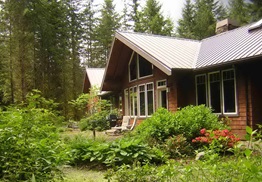 Even in temperate western Washington it can take only a few sunny days for forests to dry out enough to catch fire. And, in windy conditions wildfires can get out of control quickly. Wildfires burn every year in east King County. Before wildfire strikes, homeowners can help protect lives and property by creating a fire-adapted space around structures.